Toyota Corolla for Sale in Nairobi
Verified listings • Clean imports • Viewing available in Nairobi
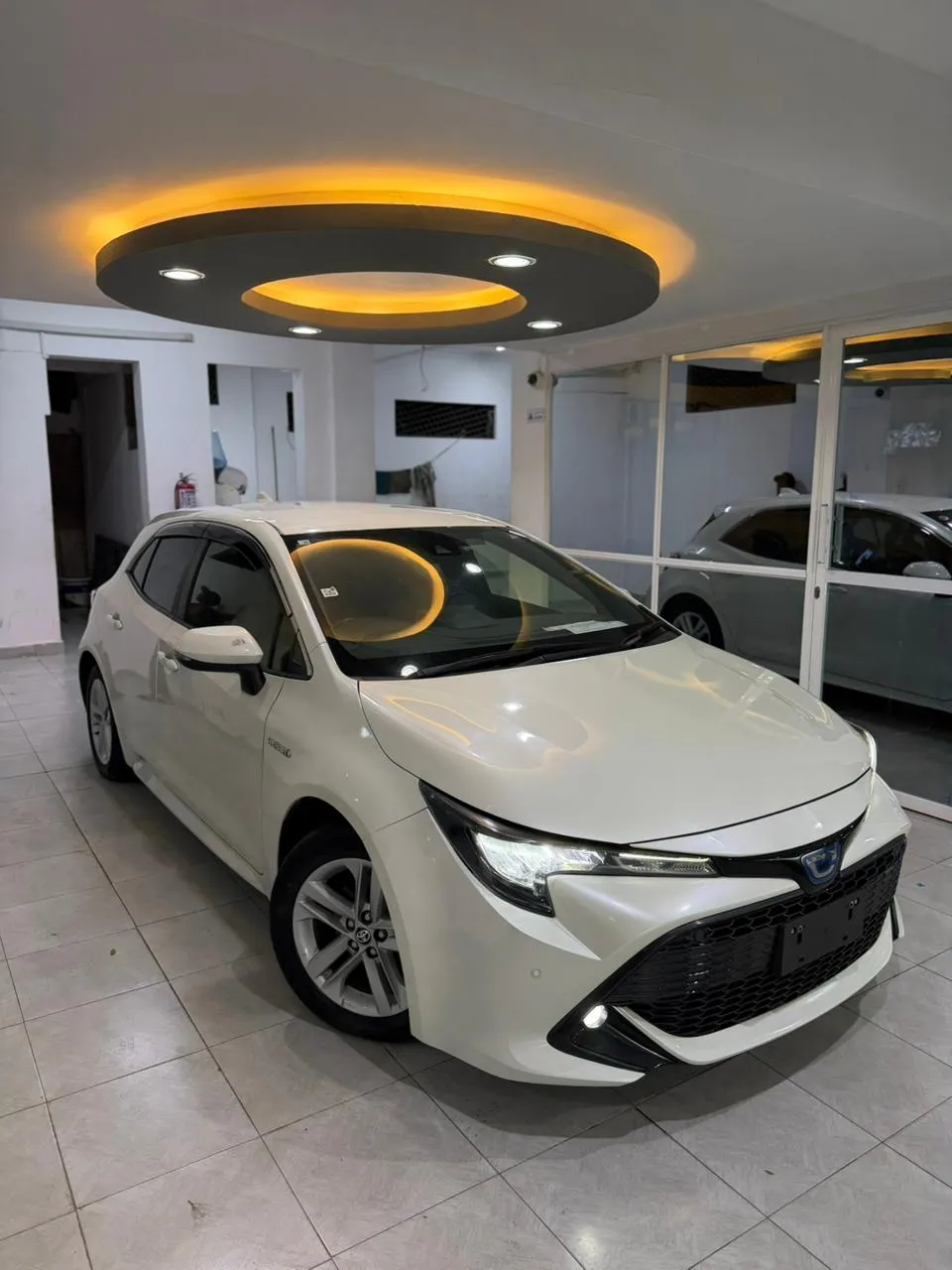
Verified listings • Clean imports • Viewing available in Nairobi
Toyota Corolla for sale in Nairobi is one of the most reliable and widely owned sedans in Kenya. Known for its fuel efficiency, low maintenance costs, and strong resale value, the Corolla is ideal for families and professionals. Browse our available units below or contact us via WhatsApp for pricing, financing, and import-on-demand options.
Showing verified listings that match this model page.
Make sure your Vehicle listings have these fields set correctly:
Then refresh this page.
Explore other Toyota models on SilverTorque Motors.
Need this Toyota Corolla on loan, or want a specific trim imported? WhatsApp us and we’ll source it, clear it, and deliver in Kenya.
WhatsApp Us Now2026
Toyota Corolla is one of Kenya’s smartest daily cars because it combines excellent fuel economy, easy maintenance, strong parts availability, and reliable resale demand, while still being comfortable enough for Nairobi traffic and upcountry trips when you buy a clean unit with verified history and a tight suspension.
Corolla prices change daily by year, body style, engine, condition, and whether it’s a fresh import or locally used. Use these as practical ranges, then confirm with inspection and current listings.
| Model year band | Common specs | Typical local price (KSh) | Who it suits best |
|---|---|---|---|
| 2004–2008 | 1.3/1.5 Sedan, basic trims | 650k–980k | Budget commuting, first car |
| 2009–2013 | 1.5 Sedan (NZE/Axio), better comfort | 980k–1.65M | Balanced daily use |
| 2014–2019 | 1.5/1.6, nicer trims, newer tech | 1.65M–2.8M | Modern comfort + stronger resale |
Toyota Corolla pricing in Kenya is mainly driven by model year, body style (sedan vs hatch), engine size, transmission, and overall condition. In Nairobi, clean Corollas with tight suspension, smooth gearbox shifts, and documented service history cost more because buyers want predictable daily ownership. Cheaper units often hide worn suspension, tired engines, cooling issues, or prior accident repairs, which can quickly erase the “deal” after purchase.
| Example year | Spec | Import price range (est.) | Local used price range (est.) |
|---|---|---|---|
| 2007 | 1.3/1.5 Sedan (basic) | KSh 520k–850k | KSh 650k–980k |
| 2011 | 1.5 Sedan (NZE/Axio) | KSh 850k–1.25M | KSh 980k–1.65M |
| 2016 | 1.5/1.6 (newer trim) | KSh 1.35M–2.15M | KSh 1.65M–2.8M |
Importing a Corolla from Japan can be excellent value if you choose a clean auction grade and verify mileage, because many imports arrive with cleaner interiors and less wear than hard-used local units. Locally used Corollas are easier to inspect and test-drive, but many have been used for ride-hailing or long commutes, so you must check suspension noise, cooling behavior, and gearbox smoothness carefully. Whether you import or buy locally, budget for a baseline service, alignment, and quality tyres so the car feels tight on Kenyan roads.
Corolla condition matters more than spec. A car with weak cooling, rough idle, gearbox shudder, or tired suspension can become expensive and frustrating quickly. The best buying strategy is choosing the cleanest unit you can verify, then maintaining it properly from day one. For resale, buyers pay extra for service records, straight body panels, and a silent suspension over bumps.
A quick visual reference for how Corolla pricing typically rises with newer years and cleaner grades.
The 1.3L Corolla is a smart pick for drivers who want low fuel spend and simple ownership for Nairobi commuting. It feels light and efficient, especially in traffic, and parts are easy to find. The trade-off is slower overtaking and less relaxed highway pulling, so you plan passes more carefully on upcountry routes.
The 1.5L Corolla is Kenya’s best all-round choice because it balances fuel economy, smoothness, and enough power for normal highway driving. It suits daily commuting, small family use, and ride-hailing if maintained properly. If you want the safest Corolla buy in Kenya, a clean 1.5 with tight suspension and a healthy cooling system is usually the best move.
The 1.6L Corolla is ideal if you do frequent highway trips or carry passengers regularly because it feels stronger for hills and overtakes. It can still be economical when serviced properly, but costs may be slightly higher depending on spec and parts. Buy a clean unit and confirm there are no warning lights, overheating history, or gearbox issues.
| Engine | Feel on Kenyan roads | Typical fuel economy | Best for | Watch-outs |
|---|---|---|---|---|
| 1.3L | Light, efficient, slower overtakes | City ~12–16 km/L, Highway ~14–18 km/L | Budget commuting | Power under load, cooling health |
| 1.5L | Best balance, smooth daily use | City ~12–16 km/L, Highway ~15–18 km/L | All-round Kenya use | Suspension wear, service history |
| 1.6L | Stronger pull, better highways | City ~11–15 km/L, Highway ~14–17 km/L | Frequent upcountry trips | Sensor issues, maintenance discipline |
In Nairobi traffic, Corolla fuel economy depends on engine size, driving style, tyres, and service health. A clean 1.5 often delivers strong real-world economy because the car is light and efficient, especially with correct tyre pressure and clean filters. If fuel use suddenly worsens, it usually points to worn plugs, dirty air filter, weak sensors, or a tired cooling system that keeps the engine working harder.
On highways, Corolla becomes more efficient because speed is steadier and stop-and-go is reduced. A healthy Corolla tracks straight, runs quietly, and feels relaxed at cruising speeds. Good alignment and quality tyres make a noticeable difference in both comfort and km/L on Nairobi–Nakuru, Nairobi–Eldoret, and Nairobi–Mombasa routes.
Heavy load, aggressive acceleration, worn tyres, and constant AC in traffic can reduce km/L noticeably. The best way to control costs is keeping the car serviced on time, maintaining tyre pressure, and fixing suspension issues early so the vehicle rolls smoothly. Tracking weekly fuel spend can also reveal problems before they become expensive repairs.
| Engine | City (km/L) | Highway (km/L) | Notes |
|---|---|---|---|
| 1.3L | 12–16 | 14–18 | Best for strict fuel budget |
| 1.5L | 12–16 | 15–18 | Best all-round value |
| 1.6L | 11–15 | 14–17 | Best highway confidence |
Corolla performance is designed for smooth everyday driving rather than sporty acceleration, so it feels best when you drive it cleanly and keep it well maintained. The 1.5 offers the best balance for city driving, while the 1.6 feels more confident on highways and hills. A clean Corolla should accelerate smoothly with no hesitation, no check engine light, and no gearbox shudder.
For Kenyan highways, the 1.6 makes overtakes easier, especially when carrying passengers or climbing hills. The 1.5 can still overtake safely, but you plan your gaps and keep the engine healthy so it responds properly. If the car struggles, it often indicates sensor issues, clogged filters, or overdue servicing.
Corolla handles hills well when the cooling system is healthy and the engine is tuned correctly. Overheating history, weak radiator performance, or failing thermostat can cause power loss on climbs. During inspection, do an uphill test drive and confirm stable temperature, smooth gear changes, and no burning smell.
Corolla steering is light and predictable, making it easy for Nairobi traffic, parking, and daily errands. A clean unit should track straight with no pulling and no vibration at speed. If the steering feels loose, it is usually worn suspension bushings, alignment issues, or tyres that need balancing.
Corolla feels stable on highways when tyres, shocks, and alignment are in good condition. If it feels floaty, bouncy, or noisy, suspension wear is the first suspect. The best Corolla to drive in Kenya is the one that feels tight and quiet over bumps, not the one with the lowest sticker price.
Corolla is generally quiet for its class, but worn wheel bearings, tired engine mounts, and cheap tyres can add noise quickly. During test drive, listen for humming, rattles, or vibration between 60 and 100 km/h. A well-maintained Corolla should feel smooth and calm, even on imperfect roads.
Corolla interiors are built for practicality, with simple controls and durable materials that handle daily use well. Higher trims often add better seats, steering controls, and improved infotainment. When inspecting, test all windows, AC, and dashboard buttons because small electrical issues can add cost if neglected.
Corolla rear seats are comfortable enough for small families and short-to-medium trips. Comfort depends on trim, seat condition, and suspension health, especially on older units. If you plan family use, confirm seatbelts are intact, doors close properly, and the cabin is not noisy at speed.
Corolla offers practical storage for phones, documents, and daily essentials, and many owners appreciate how easy it is to live with. For business users, a clean interior and working AC improve customer comfort and also help resale later. Interior condition is a strong signal of how the car was treated overall.
Corolla boot space is good for groceries, luggage, and daily errands, making it a strong Nairobi family car. Sedans offer a more secure boot, while hatchbacks are more flexible for loading bulky items. If you do airport runs or small business deliveries, Corolla practicality is one of its biggest strengths.
Hatchbacks are easier for loading items like boxes and tools, while sedans keep luggage more secure and private. In Kenya, both can work well, but you choose based on your lifestyle. For families, sedans often feel more comfortable and quiet, while hatchbacks feel more compact in city parking.
Check for signs of rear accident repair, water leaks, and rust around the spare wheel well. Boot seals and rear lights can leak if repairs were done badly. A clean, dry boot is a strong indicator the car was not abused or poorly repaired.
Corolla rides comfortably when suspension is healthy, but worn shocks and bushings make it feel harsh or noisy on rough roads. Nairobi speed bumps and potholes quickly reveal suspension condition. A good Corolla should absorb bumps without loud knocks, squeaks, or steering shake.
Common wear signs include clunks over bumps, uneven tyre wear, and steering vibration. Many used Corollas need a suspension refresh because of daily use and road conditions. If you buy a used Corolla, budget for alignment and suspension checks immediately so the car drives tight and safe.
Tyres affect ride comfort and fuel economy more than many buyers expect. Cheap hard tyres increase noise and reduce grip, while quality tyres improve comfort and braking. If the Corolla feels noisy, inspect tyres first before blaming the engine or gearbox.
Basic trims focus on simplicity, fewer electronics, and lower repair risk. They can be the best choice for buyers who want predictable maintenance and easy ownership. The key is buying a unit with a clean engine, tight suspension, and no cooling issues.
Mid trims often add comfort features like better seats, improved audio, and sometimes steering controls, without becoming too complex. These trims usually resell well because Kenyan buyers want comfort but still want low running costs. If you want one Corolla for commuting and weekend travel, mid trims are often the best target.
Higher trims can include extra electronics, premium interior touches, and additional safety features depending on the market spec. These are great when everything works, but repairs can cost more if the car was poorly maintained or badly repaired. If buying higher trim, insist on a clean diagnostic scan and a thorough inspection.
Corolla infotainment varies by year and import spec, so always test Bluetooth, USB, radio reception, and screen response. Working infotainment improves daily usability and resale value. If the head unit is faulty, negotiate price because replacements can add meaningful cost.
Strong AC is essential for Nairobi traffic and for passenger comfort. Test cooling at idle and while driving, and check for weak airflow or odd smells that signal service needs. Fixing AC early keeps ownership comfortable and supports better resale.
Some Corolla specs include traction control, stability control, and parking sensors depending on trim and import market. These systems rely on sensors, so avoid cars with warning lights or suspicious wiring repairs. A clean dashboard and proper start-up light sequence is a key buying clue.
Corolla commonly includes core safety features like airbags and ABS depending on year and grade. Real-world safety also depends on tyre quality, brakes, and suspension health. During inspection, confirm there are no warning lights, and test braking feel and stability on a safe road.
Verify seatbelts retract properly, brakes are strong, and the car tracks straight with no vibration. Check for dashboard tampering and confirm warning lights behave correctly during start-up. If the car has accident history, be strict because structural and sensor issues reduce safety quickly.
In Kenya, Corolla has a strong reputation for predictable road behavior and reliable braking when maintained properly. Owners who keep tyres and alignment correct usually enjoy stable handling in rain and on rough patches. Neglecting suspension and brakes reduces safety fast, so preventive maintenance matters.
Corolla suspension wear is common due to speed bumps and potholes, especially on older or heavily used units. Symptoms include knocking noises, steering vibration, and uneven tyre wear. A lift inspection plus a test drive over rough patches quickly reveals worn links, bushings, shocks, or ball joints.
Overheating is a serious risk if the radiator, thermostat, fans, or coolant maintenance was neglected. Signs include temperature fluctuation, coolant loss, and weak cabin heat behavior. Always confirm stable temperature on test drive and inspect for coolant leaks, oily coolant, or signs of past overheating repairs.
Automatic Corollas should shift smoothly with no shudder or harsh engagement. Drivability problems can come from worn mounts, dirty throttle body, sensors, or overdue servicing. If the car hesitates, revs oddly, or feels inconsistent, insist on a mechanic scan and do not buy blindly.
Corolla engines can last a long time when oil changes are consistent and the cooling system is maintained properly. The biggest threats are overheating history, poor servicing, and running the car with warning lights ignored. When buying used in Kenya, verified service history is often more valuable than mileage claims.
Corolla transmissions are generally durable, but they depend on correct fluid servicing and sensible driving. During inspection, confirm smooth shifts, no slipping, and no unusual noises. If the service history is unknown, budget for a baseline transmission fluid service after purchase to protect longevity.
High mileage Corollas can still be excellent if major wear items were handled on time and the car drives tight. Expect suspension refresh, tyres, and occasional sensors depending on route type. The best experience comes from buying a clean unit and maintaining proactively rather than chasing the cheapest price.
Routine servicing includes oil, filters, inspections, and sometimes plugs depending on schedule. Costs vary by workshop and oil choice, but Corolla remains one of Kenya’s most affordable cars to maintain when serviced properly. Consistent maintenance is always cheaper than waiting for problems to grow into major repairs.
Common items include filters, brake pads, suspension links, shocks, and bushings. Prices depend on OEM versus aftermarket quality, and extremely cheap parts often fail quickly on rough roads. For best value, use quality parts and keep records because service history supports resale.
Annual running costs include routine servicing, tyres, alignment, occasional suspension work, and insurance. Heavy daily use increases costs mainly through tyres, brakes, and suspension wear. Keeping a maintenance buffer prevents downtime and helps you fix small issues early.
| Item | Typical interval | Estimated cost range (KSh) | Notes |
|---|---|---|---|
| Basic service (oil + filters) | Every 5,000–8,000 km | 6,000–18,000 | Depends on oil and workshop |
| Plugs + throttle cleaning | As needed | 6,000–25,000 | Improves drivability and fuel economy |
| Suspension refresh (partial/full) | As needed | 18,000–120,000 | Varies by parts quality |
Corolla parts are widely available in Nairobi and major towns, with both OEM and aftermarket options. OEM parts often last longer for suspension and sensors, while quality aftermarket can be excellent value. Extremely cheap parts usually fail faster and increase long-term costs, especially with daily Nairobi use.
Routine wear items are affordable, but sensors, cooling components, and transmission-related issues can cost more depending on spec. This is why buying a clean, non-accident unit saves money over time. If the car has warning lights or overheating history, treat it as a risk unless you confirm repair costs first.
Nairobi has the strongest parts supply due to Toyota’s dominance and many specialist shops. Upcountry, parts are still accessible but may take longer for uncommon trims. For easiest ownership, choose a common spec and keep a trusted mechanic and supplier relationship.
Corolla depreciation is usually friendly because demand stays high for fuel-efficient, reliable daily cars in Kenya. Clean units with tight suspension and documented service history depreciate slower. Buying the right unit matters more than negotiating the lowest price, because condition determines your future resale outcome.
Demand is strongest for clean 1.5 and 1.6 units with neat interiors and working AC. Buyers pay extra for cars that drive quietly, have clean paperwork, and show no accident signs. A clean diagnostic scan and service receipts make your Corolla sell faster.
Protect resale by keeping service records, using quality tyres, and fixing small issues early. Avoid cheap body repairs and mismatched panels because buyers notice these immediately. A clean interior, strong AC, and silent suspension help you command better offers.
Corolla is typically more comfortable for families because it offers more cabin and boot space than Vitz, especially for longer trips. Vitz is easier to park and can be cheaper to run, but Corolla feels more stable on highways. If you do frequent upcountry travel, Corolla often feels like the better all-rounder.
Vitz can be slightly more fuel efficient due to smaller size and engine, but Corolla still performs very well on fuel for a bigger car. Corolla parts are also widely available and affordable, so total cost of ownership remains strong. The best choice depends on whether you value space and stability or compact city convenience.
Both cars have strong resale in Kenya, but Corolla often attracts family buyers and commuters who want a “safe” long-term car. Vitz sells fast for budget buyers and first-car owners. In both cases, condition and service history matter more than the badge.
Axela often feels sportier and more engaging to drive, while Corolla feels simpler and more predictable for daily ownership. If you value smooth handling and a more premium feel, Axela can be attractive. If you want easier long-term servicing and lower ownership stress, Corolla is often the safer Kenya pick.
Corolla parts availability and workshop familiarity is usually stronger across Kenya due to Toyota’s dominance. Axela parts and specialist knowledge exist, but they can be slightly more effort depending on the exact model and year. For buyers who prioritize low friction ownership, Corolla is hard to beat.
Corolla value is strongest when you want reliability, fuel economy, and resale. Axela value is strongest when you want a more premium drive and you can maintain it properly. Your best buy is the car that is cleaner, better maintained, and has verified history.
Premio is often more spacious and comfortable, especially for passengers and longer trips, while Corolla is more compact and easier to run daily. If you do a lot of highway travel and want a more “executive” feel, Premio can be appealing. If you mainly commute in Nairobi and want predictable costs, Corolla is usually the smarter daily tool.
Corolla generally wins on fuel economy because it is lighter and often uses smaller engines. Premio can still be economical, but it may cost more depending on engine size and trim. For pure monthly fuel control, Corolla is usually easier.
Corolla parts and maintenance are typically cheaper because the platform is common and widely serviced. Premio costs can be slightly higher, especially if the spec uses larger engines and additional electronics. Choose Premio if comfort is the priority, and choose Corolla if low running cost is the priority.
Fit is extremely practical for its size because the hatch layout makes loading easy, while Corolla sedan offers a more secure and quiet boot. For city errands and flexible cargo, Fit is excellent. For highway stability and a more “sedan” driving feel, Corolla is often preferred.
Both can be fuel efficient, but real-world results depend on condition and driving style. Corolla has broader parts availability and more workshop familiarity in many areas. Fit can be great value too, but you must buy a clean unit and maintain it properly to keep ownership easy.
Corolla resale is consistently strong because buyers trust it as a safe daily car. Fit also sells well due to practicality and compact city use. The car with clean history, tight suspension, and good documentation will always sell faster.
Nairobi commuters love Corolla because it is fuel efficient, easy to drive in traffic, and affordable to maintain. It handles daily errands, school runs, and office commuting without demanding complicated repairs. If you want a stress-free daily car, Corolla is one of the safest picks in Kenya.
Corolla suits small families because it offers comfortable seating, decent boot space, and stable highway driving for weekend trips. It is practical for kids, groceries, and daily schedules while keeping running costs manageable. If you want a reliable family starter car, Corolla is a strong option.
Corolla is popular for business use because it has predictable running costs and a reputation customers trust. The key is buying a clean unit and maintaining it on time because heavy usage reveals wear quickly. For business owners, uptime and reliability make Corolla a practical income tool.
If your routes include very rough rural roads and you frequently deal with deep potholes or mud, a Corolla may sit too low for your needs. You may prefer a higher-clearance option like a small SUV or crossover. Corolla can still do normal upcountry routes, but it is not designed for harsh off-road conditions.
Corolla is built for efficiency and reliability rather than sporty acceleration. If you want a more aggressive driving feel, you may prefer a sportier hatch or a higher-performance sedan. Corolla is best for calm, practical driving, not performance thrills.
Corolla is reliable, but it still needs basic servicing, good tyres, and suspension checks, especially in Kenya. If you delay repairs and ignore warning signs, ownership becomes expensive and stressful. The best Corolla experience comes from proper maintenance, not luck.
For most Nairobi drivers, a clean 1.5 Corolla with working AC, tight suspension, and smooth gearbox is the best balance of fuel economy and comfort. It is easy to run daily and has strong resale demand. The most important factor is buying a unit with verified history and no overheating or accident signs.
If you do frequent upcountry trips, the 1.6 Corolla can feel more relaxed for overtakes and hills. It offers better highway confidence while still remaining economical when maintained properly. Always prioritize a clean cooling system and a silent suspension for long-distance comfort.
If your budget is tight, an older 1.3 or 1.5 Corolla can still be great value if it is clean and well maintained. The risk is buying a tired unit with suspension knocks or overheating history. Choose the cleanest car you can verify, then service it immediately to make ownership predictable.
CIF includes the vehicle purchase price, shipping, and insurance to port, but your Kenya budget must also include clearing, registration, and baseline servicing. Final on-road cost increases if tyres, suspension, or cooling work is needed. For safer imports, verify auction sheets, confirm mileage documentation, and avoid accident history.
Clearing timelines depend on shipping schedules, documentation accuracy, and port processing. Duties and taxes depend on vehicle details and valuation, so use a reliable agent and keep documents clean. Plan a buffer budget so you do not rush decisions due to unexpected costs.
Import risks include hidden accident history, mileage tampering, and buying a spec with expensive or rare parts. Reduce risk by checking auction grades, inspecting photos carefully, and working with reputable agents. After arrival, do a full inspection, fluid service, alignment, and diagnostic scan before daily use.
Check for smooth idle, clean acceleration, stable temperature, and no coolant loss signs. Inspect for oil leaks, overheating history, and unusual smoke. A diagnostic scan plus a mechanic inspection protects you from expensive sensor or cooling surprises.
Inspect suspension for knocks, loose steering, and uneven tyre wear. Check the chassis for accident repairs, fresh paint mismatches, and signs of underbody rust. A Corolla that drives straight, brakes smoothly, and feels tight over bumps is a safer buy.
Confirm the gearbox shifts smoothly with no shudder or delay. Test AC, windows, locks, lights, and infotainment, and confirm warning lights behave correctly at start-up. If anything feels suspicious, insist on a scan and professional inspection before you pay.
Bank loans can work well if the car has clean documentation and strong valuation support. Compare total repayment, not just monthly figures, and confirm insurance terms. Your budget should include fuel, servicing, and a maintenance buffer so the car stays affordable long-term.
Asset financiers can be faster than banks but may come with higher rates or extra terms. Always read conditions carefully and confirm the total cost over the loan period. Choose a plan that leaves room for repairs and routine maintenance so cashflow stays stable.
Higher deposits reduce interest and reduce risk if income changes. Do not spend all cash on deposit and forget baseline servicing, tyres, and alignment. The best financing plan keeps the Corolla affordable even when unexpected maintenance needs appear.
These calculators help you estimate real ownership cost in Kenya. Change the defaults to match your use case. They work on WordPress because the script is DOM-safe and also has onclick fallback.
Enter your monthly distance, your real km/L, and petrol price. This estimates monthly and annual fuel spend.
| Output | Result | How it is calculated |
|---|---|---|
| Litres per month | — | Monthly km ÷ km/L |
| Estimated monthly fuel cost | — | Litres × price per litre |
| Estimated annual fuel cost | — | Monthly fuel cost × 12 |
Estimate value loss over time using a simple annual depreciation rate.
| Output | Result | Meaning |
|---|---|---|
| Estimated value after ownership | — | Future value after depreciation |
| Total value lost | — | Purchase price minus future value |
| Average loss per year | — | Total loss ÷ years |
Estimate taxes using a simplified structure. Adjust Customs Value to your agent’s valuation estimate.
| Tax line | Result | How it is calculated |
|---|---|---|
| Import duty (25%) | — | Customs value × 25% |
| Excise duty | — | (Customs value + duty) × excise rate |
| VAT (16%) | — | (Customs value + duty + excise) × 16% |
| RDL (2%) | — | Customs value × 2% |
| IDF | — | Customs value × IDF rate |
| Total estimated taxes | — | Sum of all above |
This is a simplified estimator for planning. Final charges can vary by valuation, fees, and port processes.
Estimate fuel + servicing + insurance + depreciation over your chosen years (default 5).
| Cost line | Result | How it is calculated |
|---|---|---|
| Fuel total | — | Monthly fuel × 12 × years |
| Servicing total | — | Service per year × years |
| Insurance total | — | Insurance per year × years |
| Depreciation total | — | Purchase price − value after depreciation |
| Total ownership cost | — | Fuel + servicing + insurance + depreciation |
Comprehensive insurance depends on vehicle value, driver profile, and insurer terms, so the same Corolla can have different quotes. Newer and higher-value units cost more to insure, while older units are cheaper but may need more maintenance. Confirm excess, repair network quality, and claim handling before choosing a policy.
Fuel budget depends on mileage, route type, and real km/L from your driving style. Use the fuel calculator above to estimate realistic monthly and annual spend. Tracking fuel for the first month helps you set a stable budget and adjust habits for better economy.
A realistic annual service budget includes routine servicing plus a buffer for tyres and suspension wear. Owners who maintain preventively usually spend less long-term than those who delay repairs. Keep a small maintenance fund ready so you do not postpone important fixes.
| Cost category | Low estimate (KSh/year) | High estimate (KSh/year) | What drives the difference |
|---|---|---|---|
| Routine servicing | 40,000 | 120,000 | Oil choice, workshop rates, extra fixes |
| Insurance (comprehensive) | 40,000 | 140,000+ | Vehicle value, driver profile, insurer |
| Wear items buffer (tyres/suspension) | 30,000 | 160,000 | Road conditions, mileage, parts quality |
Toyota Corolla stands out in Kenya for fuel efficiency, easy maintenance, excellent parts availability, and strong resale demand. It is practical for commuting and family use, stable enough on highways, and affordable to service across Nairobi and upcountry. When maintained properly, Corolla delivers predictable ownership and strong long-term value.
The main weaknesses are suspension wear from rough roads, the risk of buying a tired ex-ride-hailing unit, and potential cooling issues if maintenance was neglected. Some imports also vary in trim and equipment, so you must confirm features before purchase. Buying clean and servicing on time is the difference between easy ownership and constant repairs.
If you want a dependable daily car for Nairobi commuting and occasional upcountry trips, Toyota Corolla is one of the best choices. Buy the cleanest unit you can verify, insist on a diagnostic scan, confirm cooling stability, and inspect suspension carefully. For most buyers, a clean 1.5 Corolla offers the best balance of cost, comfort, and fuel economy.
Yes. Corolla is a strong Kenya choice because it offers great fuel economy, low maintenance costs, wide parts availability, and strong resale value when you buy a clean unit with verified service history and a tight suspension.
For most buyers, the 1.5 engine is the best balance of fuel economy and everyday power. If you do frequent upcountry trips and want stronger overtakes, the 1.6 can feel more confident when maintained properly.
No. A clean Corolla is usually very economical, often returning around 12–16 km/L in city driving and 14–18 km/L on highways depending on engine size, condition, traffic, and driving style.
Yes. Corolla parts are widely available in Nairobi, including filters, brakes, suspension components, and cooling system parts. OEM parts cost more but often last longer than very cheap alternatives.
Check suspension knocking, gearbox smoothness, cooling stability, engine performance, brakes, accident repairs, and service history. A diagnostic scan and professional inspection are strongly recommended before payment.
Browse available units or message us on WhatsApp for the latest arrivals, pricing, and viewing options in Nairobi.