How to Import a Car from France to Kenya: Rules & Costs
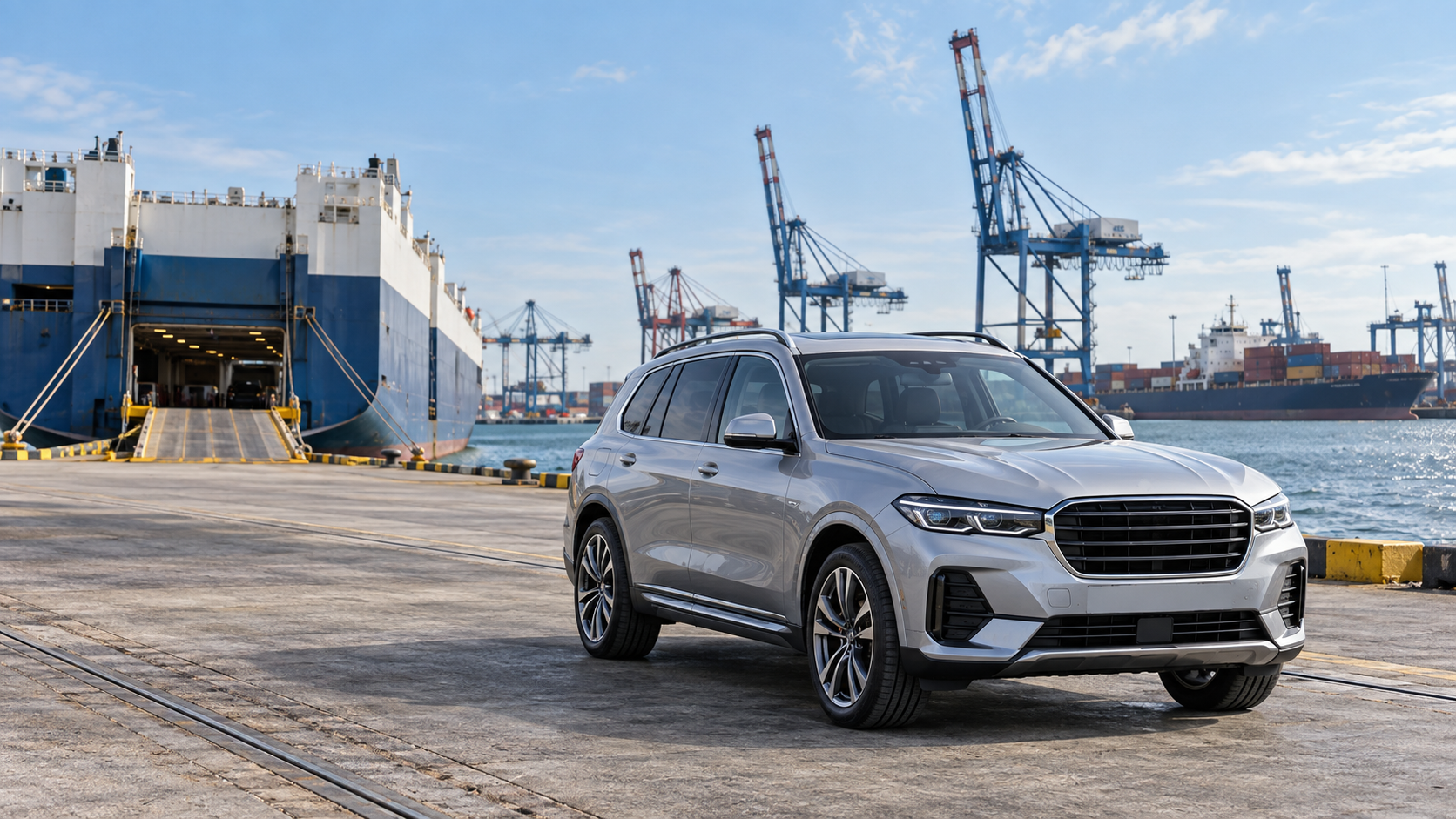
Illustrative image. Confirm a vehicle’s eligibility and total landed cost before paying a deposit.
Importing a car from France to Kenya can make sense only when the exact vehicle meets Kenya’s current import rules and the full landed cost compares well with a similar car already available locally. Before paying a deposit, check the steering position, first-registration date, inspection route, ownership documents and KRA tax estimate. A low French asking price does not prove that a vehicle is eligible or inexpensive to clear.
First, check whether the exact car is eligible
KRA’s current motor-vehicle import procedure says an imported used vehicle must be right-hand drive, less than eight years old from its year of first registration, and subject to roadworthiness inspection. Confirm the rule for the vehicle category and expected arrival date with KRA, KEBS or a licensed clearing agent before you commit.
This check is especially important for France-sourced stock. A listing’s country of sale is not proof of Kenyan eligibility. If the car is left-hand drive, stop and obtain written guidance from the relevant authority before proceeding; do not assume that a steering conversion will make it acceptable.
| Check | What to confirm | Why it matters |
|---|---|---|
| Steering position | Confirm the vehicle is right-hand drive and matches the current KRA/KEBS rule. | A mismatch can make the vehicle ineligible. |
| First registration | Check the original registration document and calculate age using the first-registration year. | Model year alone may not establish eligibility. |
| Inspection route | Ask which pre-export conformity or destination-inspection documents apply. | Do not ship until the inspection route is clear. |
| Identity and ownership | Match the VIN, registration record, seller, invoice and export paperwork. | Missing or inconsistent documents can delay clearance. |
| Taxes and valuation | Obtain a vehicle-specific estimate using current KRA valuation and tariff guidance. | Taxes are not safely estimated from the seller’s price alone. |
How to import a car from France to Kenya: 7 steps
- Shortlist an exact vehicle. Record the VIN, make, model, trim, engine, fuel type, first-registration date, mileage and steering position. Ask for clear photos of the VIN plate and registration documents.
- Verify the seller and the car. Confirm that the seller can legally transfer the vehicle. Request its service history, accident or damage records where available, and an independent pre-purchase inspection. Have the VIN and paperwork checked before sending a large or non-refundable payment.
- Get the landed-cost estimate in writing. Ask a licensed clearing agent to calculate taxes and fees for that specific vehicle under current KRA rules. KRA explains that customs treatment depends on the assessed customs value and tariff classification; see its customs-duty guidance.
- Confirm the inspection and document route. Check with KEBS or its authorized inspection channel whether a pre-export Certificate of Roadworthiness or other conformity documents are required. KEBS’s used-motor-vehicle validation notice describes the documents needed for the destination-inspection route; confirm that it applies to your vehicle and shipment.
- Agree the sale and shipping terms. Put the VIN, condition, price, delivery point, payment stages, export responsibility and remedies for a failed inspection in the contract. Confirm marine insurance, what it covers, and who handles export and port charges.
- Keep the shipment file together. Retain the paid invoice, proof of payment, export and registration records, inspection certificates, insurance, shipping instructions and bill of lading. Keep digital copies separate from the originals.
- Clear, inspect and register the vehicle. Work with your clearing agent to submit the documents, settle assessed charges and complete required inspections and registration. Ask for receipts and clearance records, then arrange a local mechanical inspection before regular use.
How to estimate the full landed cost
Build the comparison from itemized, current quotes rather than a generic online range. Use this worksheet:
| Cost line | What to include |
|---|---|
| Vehicle purchase | Agreed price, inspection, seller fees and payment-transfer costs. |
| Freight and cover | Collection to port, ocean freight, marine insurance and any handling charges. |
| Taxes and customs | KRA-assessed value, tariff classification and all applicable taxes under current rules. |
| Port and clearance | Port handling, agent fees, storage risk, inspection and document charges. |
| After arrival | Registration, insurance, immediate repairs, tyres, parts and any model-specific diagnostics. |
Landed-cost comparison: purchase price + freight and insurance + assessed taxes + port and clearing charges + inspection and registration + initial repair allowance. Compare that total with a similar Kenyan-market vehicle of the same model, year, specification, mileage and condition—not with a local car’s sticker price alone. Ask each provider to separate confirmed charges from estimates and state how long the quote is valid.
What to check on a France-market car
Do not treat “French,” “European” or a familiar badge as evidence of quality, low fuel use or easy repairs. Check the exact engine and trim, maintenance records, accident history, diagnostic report, service support and the availability and lead time of common parts in Kenya. Ask a mechanic who knows that make and model to inspect it, and price likely repairs before purchase.
Also confirm the specification: steering position, speedometer units, lights, emissions documentation, keys, software language and any equipment differences. A vehicle that looks attractive in photos can become costly if it has a hard-to-source part, incomplete history or a specification that does not suit Kenyan rules and use.
Documents to keep together
The exact document list depends on the vehicle and inspection route. Before shipment, ask your agent and inspection provider to confirm the current requirements. Common records to request include:
- Sales contract or commercial invoice and proof of payment.
- Original registration or logbook record, with the first-registration date and VIN visible.
- Export or deregistration papers and evidence that the seller can transfer ownership.
- Pre-export inspection, conformity or roadworthiness documents required for the route.
- Shipping instruction, marine-insurance certificate and bill of lading.
- KRA customs entry, assessment, payment and clearance records.
- Inspection and registration records issued after arrival.
Frequently asked questions
Can I import a left-hand-drive car from France?
KRA’s published procedure specifies right-hand drive for imported used vehicles. Do not pay for a left-hand-drive car on the assumption that a later conversion will be accepted. Ask KRA or KEBS about the exact vehicle and any applicable exception before purchase.
How old can the used car be?
KRA’s motor-vehicle procedure describes the limit as less than eight years from the year of first registration. Verify the current cutoff for the vehicle’s arrival year and category before shipping; use the registration record rather than a seller’s model-year description.
How much does it cost to import a car from France?
There is no reliable single figure for every make and model. Purchase value, vehicle classification, freight, insurance, assessed customs value, applicable taxes and port charges all affect the total. Request a written estimate based on the VIN and current KRA rules.
How long does shipping and clearance take?
Timing depends on the shipping schedule, route, document checks, inspection and port clearance. Ask the carrier and clearing agent for current estimates and what events can delay delivery; avoid relying on a fixed timeline before the booking is confirmed.
Should I import from France or buy in Kenya?
Compare the same vehicle specification, condition and ownership costs on both sides. If the France-market vehicle fails an eligibility check or the landed-cost advantage disappears after inspection, taxes and repairs, a locally available car may be the simpler option.
Compare your options before committing
Start with eligibility and a vehicle-specific cost estimate. If you would like help comparing suitable options, browse the current SilverTorque Motors inventory, message the team on WhatsApp, or use the contact page.